Plumbing · Cohasset, MN
Technicians map pipe routes from available records before placing sensors. Findings are logged with photographs and measurements so the location can be referenced later without repeated excavation.
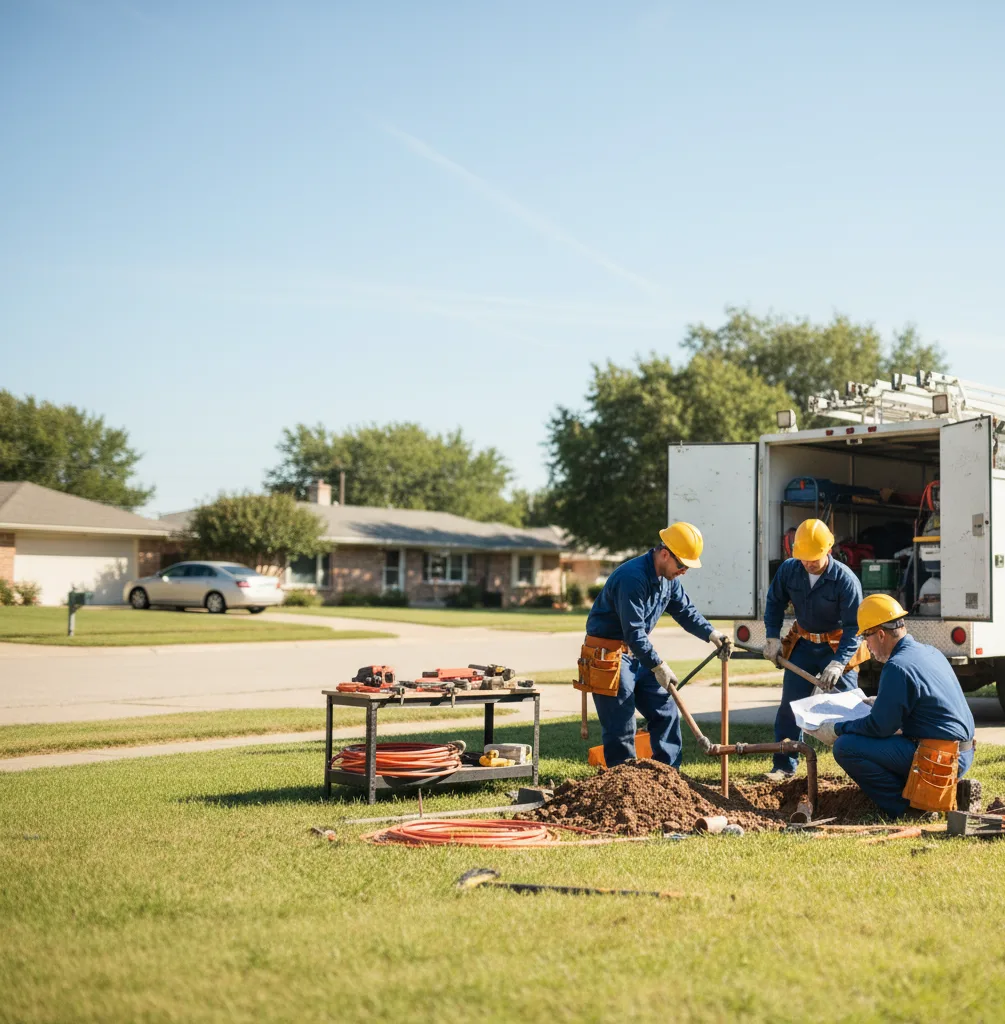
Technicians begin by reviewing fixture locations and recent water bills to narrow the search area. They then apply listening devices at multiple points along exposed and concealed lines. The equipment amplifies flow sounds that indicate water moving through an opening rather than through normal fixtures. Once a candidate area is identified, small access points may be created to confirm the exact pipe section involved. Soil conditions around the foundation and the age of the home influence how far sound travels, so readings are cross-checked from several directions. After location is verified, the team documents the pipe material and surrounding structures before any sewer line repair plan is discussed. This sequence limits exploratory cuts while producing a clear map of the affected run.
Homeowners often notice a drop in water pressure at one or more fixtures or hear running water when all valves are closed. Discolored patches on drywall or ceilings can appear where moisture has traveled along joists. In slab homes, warmer floor sections or musty odors near baseboards may develop. Checking the meter for movement after shutting off all indoor valves provides a simple confirmation that water is leaving the system somewhere downstream. These observations help prioritize which lines to test first during the visit.
The ground beneath any home affects how supply lines and drain pipes settle and age. Homes throughout Cohasset rest on sandy loam. Shifts or settling in the ground can create stress points that lead to leaks over time, which is why leak detection often begins with a check of the foundation area and main entry points.
Water supplied to homes here is hard water. Mineral content in the supply can influence corrosion rates inside older lines, so testing includes both pressure checks and acoustic listening to locate hidden issues. The region has mild summers and hard winters, around 41 inches of snow a year, and 182 nights below freezing. Temperature swings and moisture patterns change how quickly small leaks become noticeable or cause further damage to surrounding structures.
A thorough inspection accounts for these variables from the start. Technicians map pipe routes and test flow at multiple points to find leaks without unnecessary excavation.
Water Heater Repair & Plumber across Cohasset, MN. Call (833) 659-3362.
Call (833) 659-3362